
-
Head Louse Control
Pest Controllers – Head Lice Removal
To get your free headlouse removal quote click here.-
Most families with young children will encounter head lice at least once in their lifetime. These irritating little critters are renowned for repeatedly coming back and are constantly spread through schools and nurseries. Head lice are wingless insects that feed exclusively on human blood. The head lice attach their eggs to scalp hair and they spend their entire life cycle on the head of their human host. They do not fly and they are incapable of jumping as they possess short stumpy legs. They reproduce by traditional mating methods, and pairing can begin within the first 10 hours of adult life. Females lay about three to four eggs daily and will produce as many as 150 eggs during its lifespan. The lice favor laying their eggs around the nape of the neck and the area behind the ears. The eggs are tiny and white and known as nits. Lice bite the skin four to five times daily to feed. Its bite produces an itch that is difficult to ignore.
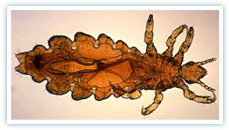
An Infestation of head lice can occur through close contact between individuals. Other routes of infestation can come from sharing combs and brushes, hats, towels, linens, head scarves and clothing. A lack of hair washing or brushing has been reported as another potential source of infestations becoming more severe. Girls tend to be more frequently infested than boys and infestation is most common in children between 4 and 13 years of age.
There are many anti-louse products on the market today and many are perfectly adequate treatment for a problem that is almost impossible to fully eradicate. The main four options to getting rid of head lice is the use of an effective head louse treatment, such as shampoo or oil, nit removal from the head using a lice comb, the removal of lice and nits from the home by thorough vacuuming, steam cleaning and washing and/or freezing any fabrics and objects suspected of being infested, along with daily head checks to monitor louse activity.
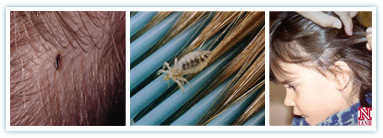
Head louse treatments usually involve shampooing the hair and combing thoroughly with a fine-toothed lice comb. They usually come with the recommendation that treatment is repeated after 7 to 10 days. It is advised that wet hair must be combed once or twice daily by a special fine-tooth comb designed specifically for this purpose so as to remove the hatching lice, which were not killed by the initial treatment. It is important to take the necessary precaution when carrying out the treatments as there are always inherent risks associated with chemicals. Read the instructions carefully and avoid the contact of the product with the eyes. Plenty of towels should be on hand to go around shoulders and for wiping hands or spillages. These shampoo procedures should be repeated until all traces of lice and nits are completely gone. There are also natural products that have been clinically tested for safety and effectiveness. Some of these are natural or organic plant products such as aniseed, coconut, olive oil and tea tree. These natural products are available as shampoos and head lotions, which can help to control head louse problems on an ongoing basis.
There are also electronic devices available, such as the electronic head lice comb, which zaps the nits and lice on dry hair without the use of chemicals. Research has proven that hot air blown from an ordinary hairdryer for a minimum of 30 minutes will kill 55.3% of hatched lice and 97.9% of lice eggs. There are specifically designed heat-blowing machines such as “the LouseBuster”, which blows hot air onto the scalp killing the eggs and hatched lice. A variety of other chemical products are also being tested currently to address the louse infestation problem. If you are at all worried or concerned that you cannot get rid of the lice problem on your own, then go to a professional and have your problem assessed. Professionals will help you find the best treatment suitable for you and your unique requirements.
-
Call Me Back Now

- Area Covered

 See All Locations
